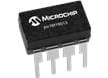

PIC18F57Q43T-I/PT

Microchip Technology
579-IC18F57Q43T-I/PT
PIC18F57Q43T-I/PT

Gam.:

Aprašymas:
8 bitų mikrovaldikliai - MCU 128KB Flash, 8KB RAM, 1KB EEPROM, 12-bit ADC2, 8-bit DAC, Comp, 16-bit PWM,

ECAD modelis:
Atsisiųskite nemokamą Library Loader, kad galėtumėte konvertuoti šį failą darbui su ECAD įrankiu. Sužinokite daugiau apie ECAD Modelį.

Prieinamumas

Turime sandėlyje:
0

Taip pat galite pirkti šį produktą kaip sandėlyje neesančią prekę.

Gamintojo numatytas pristatymo laikas
7 Savaičių Apytikriai apskaičiuotas gamybos laikas gamykloje.
Min. 1   Užsakoma po 1
Vieneto kaina:
-,-- €
Plėt. Kaina:
-,-- €
Numatomas Įkainis:
Pakuotė:
Visa Ritė (Užsakoma po 1600)

Kainodara (EUR)

Qty. Vieneto kaina
Plėt. Kaina
Nukerpama juosta / „MouseReel™“
1,69 € 1,69 €
1,55 € 38,75 €
1,40 € 140,00 €
Visa Ritė (Užsakoma po 1600)
1,40 € 2 240,00 €
† 5,00 € „MouseReel™“ mokestis bus pridėtas ir apskaičiuotas jūsų pirkinių krepšelyje. Visi „MouseReel™“ užsakymai neatšaukiami ir negrąžinami.

Produkto Požymis Atributo vertė Pasirinkite Požymį
Microchip
Gaminio kategorija: 8 bitų mikrovaldikliai - MCU
RoHS:  
RISC
128 kB
8 kB
TQFP-48
64 MHz
12 bit
44 I/O
1.8 V
5.5 V
SMD/SMT
8 bit
- 40 C
+ 85 C
PIC18F27/47/57Q43
Reel
Cut Tape
MouseReel
Prekės Ženklas: Microchip Technology
Dac skiriamoji geba: 8 bit
Duomenų RAM type: SRAM
Duomenų ROM dydis: 1 kB
Duomenų ROM type: EEPROM
Interface Type: I2C, SPI, UART
Jautrus drėgmei: Yes
ADC kanalų skaičius: 43 Channel
Laikmačių / skaitiklių: 7 Timer
Procesoriaus serija: PIC18F
Gaminys: Microcontrollers
Gaminio tipas: 8-bit Microcontrollers - MCU
Programos atminties tipas: Flash
Gamyklinės pakuotės kiekis: 1600
Subkategorija: Microcontrollers - MCU
Prekinis pavadinimas: PIC
Laikmačiai Watchdog: Watchdog Timer, Windowed
Rasta produktų:
Norėdami rodyti panašius produktus, pažymėkite bent vieną langelį
Pasirinkite bent vieną žymimąjį langelį, kad būtų rodomi panašūs šios kategorijos produktai.
Pasirinkti atributai: 0

Kad ši funkcija veiktų, reikia įjungti „JavaScript“.

TARIC:
8542319000
CNHTS:
8542319090
USHTS:
8542310015
ECCN:
3A991.a.2

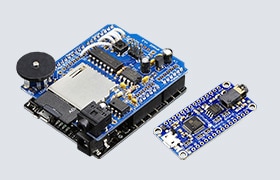
Touch & Gesture Products

Microchip Technology Touch and Gesture Products can be used to upgrade products to include a modern user interface. Add value and advanced features to applications by replacing mechanical push buttons with a touch- or gesture-controlled interface. Increase customer appeal and improve product performance and reliability. Microchip offers solutions for everything from single buttons, touchpads, and touch screens to proximity detection and 3D gesture control. Microchip Technology Touch and Gesture Products are ideal for various consumer, industrial, and automotive applications.

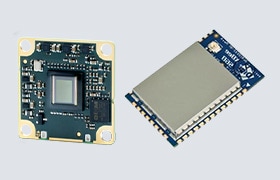
PIC18-Q43 8-Bit Microcontrollers

Microchip Technology PIC18-Q43 8-Bit Microcontrollers combine versatile and easy-to-use Core Independent Peripherals (CIPs) with advanced interconnection capabilities. This makes sophisticated hardware customization effortless. These 28-, 40- and 48-pin microcontrollers (MCUs) from Microchip Technology are equipped with Direct Memory Access (DMA), Configurable Logic Cells (CLCs), 16-bit PWMs, a 12-bit Analog-to-Digital Converter with Computation (ADCC), and multiple communication interfaces. This combination of peripherals simplifies the creation of customized hardware-based functions, improves system response, and reduces the number of external components and code development time. They are well suited for a wide range of real-time control applications, including industrial control, consumer, automotive, motor control, capacitive touch sensing, and Internet of Things (IoT). 

Functional Safety Solutions

Microchip Technology Functional Safety Solutions offer robustness, reliability, and safety to end-products. In some application segments, these requirements are formalized and mandatory, while in others, they are implemented to differentiate the product and take the step from a good product to an excellent product. The standards for functional safety depend on the market that is targeted. Many standards support multiple levels of rigorousness, which are applied depending on the likelihood and severity of the hazard. The methods of addressing hazards range from detecting single failures and putting the system into a safe state to full redundancy, where failures should not only be detected but also corrected without any interruption or degradation of service.