
6069-410-003

Digilent
424-6069-410-003
6069-410-003

Gam.:

Aprašymas:
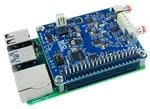
Raspberry Pi Hats / Add-on Boards MCC 152 Voltage Output and DIO DAQ HAT

Prieinamumas: 27

Turime sandėlyje:
27 Galime išsiųsti iš karto
Gamintojo numatytas pristatymo laikas
19 Savaičių Apytikriai apskaičiuotas gamybos laikas gamykloje, jei dalių kiekis didesnis nei nurodyta.
Min. 1   Užsakoma po 1
Vieneto kaina:
-,-- €
Plėt. Kaina:
-,-- €
Numatomas Įkainis:
Šis Produktas Siunčiamas NEMOKAMAI

Kainodara (EUR)

Qty. Vieneto kaina
Plėt. Kaina
128,14 € 128,14 €

Produkto Požymis Atributo vertė Pasirinkite Požymį
Digilent
Gaminio kategorija: Raspberry Pi Hats / Add-on Boards
RoHS:  
IDAQ Modules
Input/Output
USB
Raspberry Pi
0 C
+ 55 C
Prekės Ženklas: Digilent
Pakavimas: Bulk
Gaminio tipas: Dataloggers
Gamyklinės pakuotės kiekis: 1
Subkategorija: Computing
Rasta produktų:
Norėdami rodyti panašius produktus, pažymėkite bent vieną langelį
Pasirinkite bent vieną žymimąjį langelį, kad būtų rodomi panašūs šios kategorijos produktai.
Pasirinkti atributai: 0

CNHTS:
8543909000
CAHTS:
8473302000
USHTS:
8473301180
MXHTS:
8473300401
ECCN:
EAR99

MCC DAQ HATs for Raspberry Pi

Digilent MCC DAQ HATs for Raspberry Pi are designed for the Raspberry Pi platform with features like analog and digital I/O in a small, stackable format. All DAQ HATs include C/C++® and Python™ examples and an open-source library. There are five devices in the MCC DAQ HAT Series. Devices are available with voltage inputs, thermocouple inputs, IEPE-based sensor inputs, analog outputs, and digital I/O allowing users to configure multifunction, Raspberry Pi-based data logger solutions.

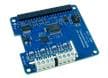
MCC 152 Voltage & DIO DAQ Hat for Raspberry Pi

Digilent MCC 152 Voltage & DIO DAQ Hat for Raspberry Pi he MCC 152 Voltage Output and DIO HAT features two channels of analog voltage output and eight digital I/O for Raspberry Pi-based systems. The 12-bit voltage outputs feature a 0-5V range and are updated at up to 5kS/s. Up to eight MCC HATs can be stacked onto one Raspberry Pi. All DAQ HATs include C/C++® and Python™ examples and an open-source library. Comprehensive API and hardware documentation are also provided.