
4409

Adafruit
485-4409
4409

Gam.:

Aprašymas:
Adafruit priedai Adafruit STEMMA Non-Latching Mini Relay - JST PH 2mm

ECAD modelis:
Atsisiųskite nemokamą Library Loader, kad galėtumėte konvertuoti šį failą darbui su ECAD įrankiu. Sužinokite daugiau apie ECAD Modelį.

Prieinamumas: 41

Turime sandėlyje:
41 Galime išsiųsti iš karto
Gamintojo numatytas pristatymo laikas
1 Savaitė Apytikriai apskaičiuotas gamybos laikas gamykloje, jei dalių kiekis didesnis nei nurodyta.
Min. 1   Užsakoma po 1
Vieneto kaina:
-,-- €
Plėt. Kaina:
-,-- €
Numatomas Įkainis:

Kainodara (EUR)

Qty. Vieneto kaina
Plėt. Kaina
5,98 € 5,98 €

Produkto Požymis Atributo vertė Pasirinkite Požymį
Adafruit
Gaminio kategorija: Adafruit priedai
RoHS:  
Accessories
STEMMA Non-Latching Mini Relay
Prekės Ženklas: Adafruit
Aprašymas/Funkcija: STEMMA Non-Latching Mini Relay
Gaminio tipas: Accessories
Serija: STEMMA
Gamyklinės pakuotės kiekis: 1
Subkategorija: Supplies
Rasta produktų:
Norėdami rodyti panašius produktus, pažymėkite bent vieną langelį
Pasirinkite bent vieną žymimąjį langelį, kad būtų rodomi panašūs šios kategorijos produktai.
Pasirinkti atributai: 0

USHTS:
8536410020
ECCN:
EAR99

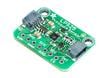
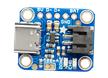
STEMMA Non-Latching Mini Relay Breakout Board

Adafruit STEMMA Non-Latching Mini Relay Breakout Board gives the user the power to control and control over power. The board allows the user to turn on and off lamps, fans, solenoids, and other small appliances that run on up to 250VAC or DC power using any microcontroller or microcomputer. There is no worrying about flyback diodes, level shifting, or pin protection, as the STEMMA board takes care of that automatically. This board can be used with any 3V or 5V microcontroller/microcomputer. To use it with a breadboard, Raspberry Pi or Arduino, pair it with a JST 3-pin to breadboard cable. If the user wants to use it with a Circuit Playground or micro:bit, there is a cable with alligator clips available. Each STEMMA board comes with a fully assembled and tested PCB but no cable. No soldering is required to use it. There's an optional second switch on the side of the PCB. If the user gets a 3-pin terminal block you can solder that in place, but it is optional.