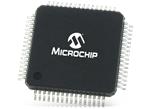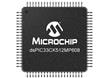

dsPIC33EP128GS804-I/ML

Microchip Technology
579-33EP128GS804IML
dsPIC33EP128GS804-I/ML

Gam.:

Aprašymas:
Skaitmeniniai Signal Procesoriai ir Valdikliai - DSP, DSC 16-bit DSC 70 MIPS 64KBFlash 8KBRAM CAN

ECAD modelis:
Atsisiųskite nemokamą Library Loader, kad galėtumėte konvertuoti šį failą darbui su ECAD įrankiu. Sužinokite daugiau apie ECAD Modelį.

Prieinamumas: 45

Turime sandėlyje:
45 Galime išsiųsti iš karto
Gamintojo numatytas pristatymo laikas
7 Savaičių Apytikriai apskaičiuotas gamybos laikas gamykloje, jei dalių kiekis didesnis nei nurodyta.
Didesniam nei 45 kiekiui taikomi minimalaus užsakymo reikalavimai.
Min. 1   Užsakoma po 1
Vieneto kaina:
-,-- €
Plėt. Kaina:
-,-- €
Numatomas Įkainis:

Kainodara (EUR)

Qty. Vieneto kaina
Plėt. Kaina
6,01 € 6,01 €
5,52 € 138,00 €
4,99 € 449,10 €

Produkto Požymis Atributo vertė Pasirinkite Požymį
Microchip
Gaminio kategorija: Skaitmeniniai Signal Procesoriai ir Valdikliai - DSP, DSC
RoHS:  
DSCs
dsPIC33E
1 Core
60 MHz
QFN-44
128 kB
8 kB
3 V to 3.6 V
dsPIC33EP128GS804
dsPIC
SMD/SMT
- 40 C
+ 85 C
AEC-Q100
Tube
Prekės Ženklas: Microchip Technology
Duomenų bus plotis: 16 bit
Interface Type: CAN, I2C, I2S, SPI, UART
Įvesties/išvesties įrenginių skaičius: 33 I/O
Laikmačių / skaitiklių: 5
Gaminio tipas: DSP - Digital Signal Processors & Controllers
Programos atminties tipas: Flash
Gamyklinės pakuotės kiekis: 45
Subkategorija: Embedded Processors & Controllers
Maksimali Maitinimo Įtampa: 3.6 V
Maitinimo Įtampa - Min.: 3 V
Laikmačiai Watchdog: Watchdog Timer
Vieneto Svoris: 234 mg
Rasta produktų:
Norėdami rodyti panašius produktus, pažymėkite bent vieną langelį
Pasirinkite bent vieną žymimąjį langelį, kad būtų rodomi panašūs šios kategorijos produktai.
Pasirinkti atributai: 0

Kad ši funkcija veiktų, reikia įjungti „JavaScript“.

TARIC:
8542319000
CNHTS:
8542319090
CAHTS:
8542320040
USHTS:
8542310035
JPHTS:
854232039
MXHTS:
8542320201
ECCN:
3A991.a.2

Home Appliance Solutions

Microchip Technology Home Appliance Solutions are a portfolio of products that implement new features and functionality required for appliance designs. Microchip provides solutions for the user interface, motor control, sensing, connectivity, and more. This reduces overall development time, so design teams can focus on implementing the application.

dsPIC33EP GS Digital Signal Controllers

Microchip dsPIC33EP GS Digital Signal Controllers (DSCs) feature a 70-MIPS dsPIC® DSC core with integrated DSP and enhanced on-chip peripherals. These DSCs are designed to deliver the performance needed to implement more sophisticated non-linear, predictive, and adaptive control algorithms at higher switching frequencies. These advanced algorithms enable power supply designs that are more energy efficient and have better power supply specifications. Higher switching frequencies enable the development of physically smaller power supplies that offer higher densities and lower costs.

Automotive 16-Bit Microcontrollers

Microchip Technology Automotive 16-bit Microcontrollers include dsPIC33 Digital Signal Controllers (DSCs) and PIC24 MCUs. These devices are designed for extreme operating conditions, providing real-time response and high reliability, even in extreme temperatures, and features for functional safety to meet automotive design challenges. Supported by Microchip's complete ecosystem of easy-to-use software and hardware tools, these solutions provide designers with the right building blocks to quickly, easily, and cost-effectively develop embedded systems and enable first-time safety compliance.

Functional Safety Solutions

Microchip Technology Functional Safety Solutions offer robustness, reliability, and safety to end-products. In some application segments, these requirements are formalized and mandatory, while in others, they are implemented to differentiate the product and take the step from a good product to an excellent product. The standards for functional safety depend on the market that is targeted. Many standards support multiple levels of rigorousness, which are applied depending on the likelihood and severity of the hazard. The methods of addressing hazards range from detecting single failures and putting the system into a safe state to full redundancy, where failures should not only be detected but also corrected without any interruption or degradation of service.