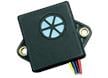

PS4-NO2-2000

Amphenol SGX Sensortech
523-PS4NO22000
PS4-NO2-2000

Gam.:

Aprašymas:
Oro kokybės jutikliai PS4 Series Solid Polymer Gas Sensor Nitrogen Dioxide 2000ppm

ECAD modelis:
Atsisiųskite nemokamą Library Loader, kad galėtumėte konvertuoti šį failą darbui su ECAD įrankiu. Sužinokite daugiau apie ECAD Modelį.

Prieinamumas

Turime sandėlyje:
Ne Sandėlyje Esantys
Gamintojo numatytas pristatymo laikas
Min. 1   Užsakoma po 1
Vieneto kaina:
-,-- €
Plėt. Kaina:
-,-- €
Numatomas Įkainis:
Šis Produktas Siunčiamas NEMOKAMAI

Kainodara (EUR)

Qty. Vieneto kaina
Plėt. Kaina
176,33 € 176,33 €
175,49 € 877,45 €
169,75 € 1 697,50 €
164,29 € 4 107,25 €
163,49 € 8 174,50 €
100 Pasiūlymas

Produkto Požymis Atributo vertė Pasirinkite Požymį
Amphenol
Gaminio kategorija: Oro kokybės jutikliai
RoHS:  
Solid Polymer 4-series
Nitrogen Dioxide
0 PPM
2000 PPM
Analog
- 40 C
+ 55 C
PS4 Series
Prekės Ženklas: Amphenol SGX Sensortech
Gamybos šalis: Not Available
Distribucijos šalis: Not Available
Kilmės šalis: DE
Montavimo stilius: Panel Mount
Pakuotė / Korpusas: 20 mm x 16.6 mm
Gaminio tipas: Air Quality Sensors
Jautrumas: -10 ± 3 nA / ppm
Gamyklinės pakuotės kiekis: 1
Subkategorija: Sensors
Rasta produktų:
Norėdami rodyti panašius produktus, pažymėkite bent vieną langelį
Pasirinkite bent vieną žymimąjį langelį, kad būtų rodomi panašūs šios kategorijos produktai.
Pasirinkti atributai: 0

Solid Polymer Electrochemical Gas Sensors

Amphenol SGX Sensortech Solid Polymer Electrochemical Gas Sensors are designed to detect a wide range of gases, including carbon monoxide, chlorine, and volatile organic compounds (VOCs), as well as humidity and particulates. These sensors are based on the principle of electrochemical catalytic reaction. The sensor responds to the target gas and delivers a very small current proportional to the gas concentration. The series utilizes a dry core design featuring three electrodes in contact with the solid electrochemical material. A typical electrode consists of a surface area of precious metal and other materials. The electrode, electrochemical cell, and surrounding air are in contact, allowing the gas to diffuse through the porous membrane into the sensor's working electrode. At this working electrode, the gas is oxidized or reduced.